


If your roof is showing its age but isn’t actively failing, it’s easy to assume replacement is the only option. In many cases, though, a full tear-off isn’t necessary yet — and knowing the difference can save you a significant amount of money.
Signs your roof may just need rejuvenation
Roof rejuvenation treatments work by restoring flexibility and protective oils to aging asphalt shingles, extending their usable life without the cost or disruption of a full replacement. Good candidates typically show:
- Shingles that are curling slightly at the edges but aren’t cracked or missing
- Granule loss that’s cosmetic rather than exposing the underlying mat
- No active leaks, soft spots, or sagging in the roof deck
- A roof that’s roughly 10–15 years into a 20–30 year expected lifespan
If your roof fits that description, a rejuvenation treatment can be a smart way to add several years of protection while you plan for an eventual replacement on your own timeline.
Signs it’s time for a full replacement
Some conditions mean a treatment simply won’t hold up. It’s usually time to talk about replacement when you’re seeing:
- Missing, cracked, or badly curled shingles across large sections of the roof
- Active leaks, water stains on ceilings, or visible daylight through the attic
- Soft or spongy decking underfoot when walked
- Multiple layers of existing roofing material already in place
In these cases, a rejuvenation treatment would be treating a symptom rather than the underlying problem, and a full replacement is the more cost-effective path in the long run.
Getting an honest answer either way
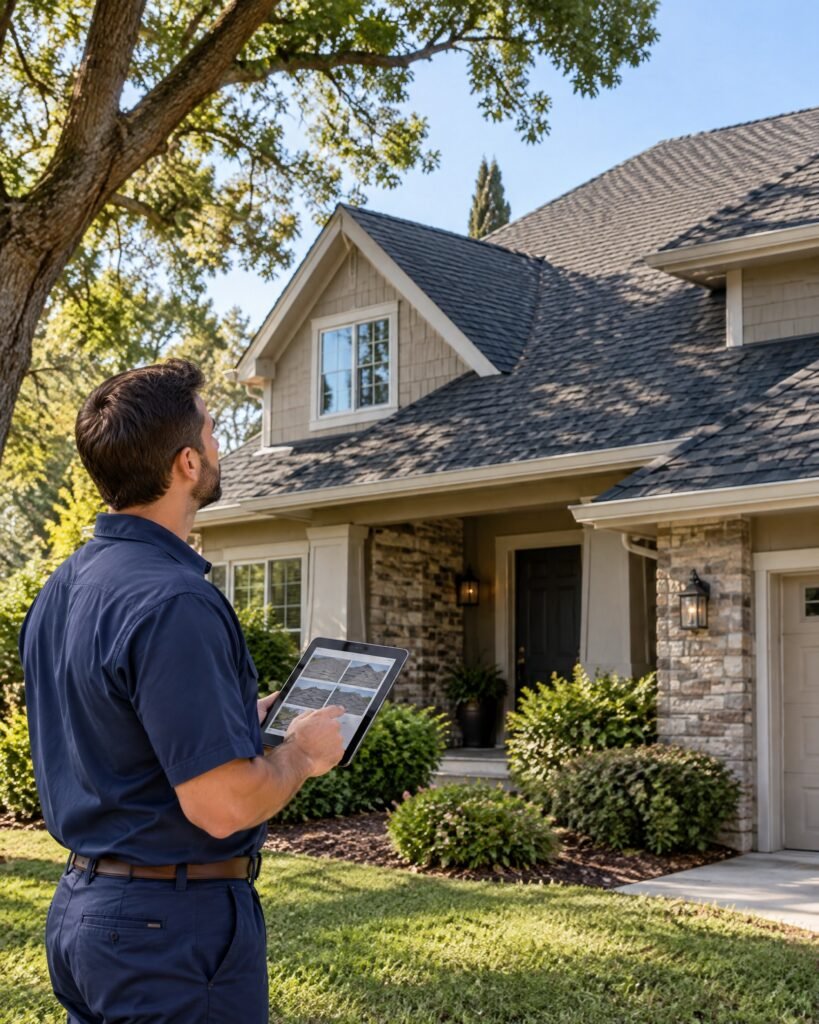
The only reliable way to know which path fits your roof is a hands-on assessment. Happy Home Roof Solutions evaluates the roof’s condition first and recommends rejuvenation, targeted repair, or replacement based on what they actually find — not a one-size-fits-all sales pitch.